
What’s Changing Across the Retail Industry
Rising costs, fluctuating demand, and more informed consumers have shaped the environment in which retail leaders operate. While margins are constantly under pressure, expectations for availability, personalization, and seamless experience are only going to increase.
AI and advanced analytics are being explored more and more to enhance inventory availability, promotional efficacy, and forecast accuracy. However, due to fragmented platforms, inconsistent definitions of important metrics, and restricted visibility across channels and regions, many retailers find it difficult to operationalize these initiatives.
Speed is important in retail, but consistency and clarity matter more. Data that teams can act upon and trust is essential for sustainable modernization, particularly in high-impact areas like inventory management, pricing decisions, and demand planning.
Common Challenges We See in Retail Organizations
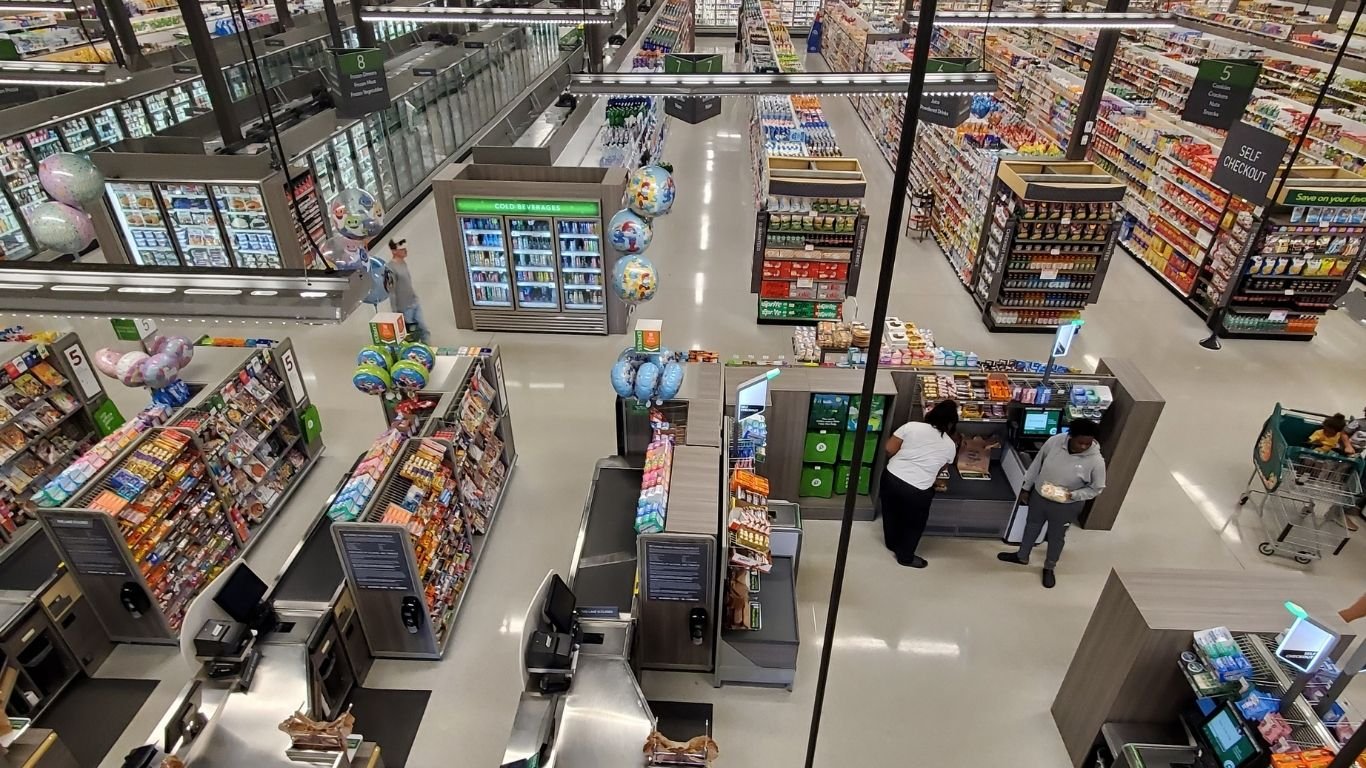
Retail organizations we work with frequently encounter a familiar set of challenges. These challenges reduce responsiveness, increase operational friction, and limit the commercial value of analytics investments.
Fragmented data across POS, e-commerce, ERP, supply chain, and customer platforms
Delayed or inconsistent reporting across channels, regions, or banners
Heavy reliance on spreadsheets for performance tracking and forecasting
Limited visibility into inventory levels, demand drivers, and margin performance
Analytics capabilities are concentrated in small teams, hence limiting adoption
Pressure to adopt AI use cases without reliable and integrated data
How Data, Analytics, & AI Support Better Retail Outcomes
When data is unified, trusted, and accessible, retailers can:
Rather than pursuing isolated initiatives, retailers build scalable capabilities that support both commercial performance and operational agility.
Our Approach to Supporting Retail Organizations
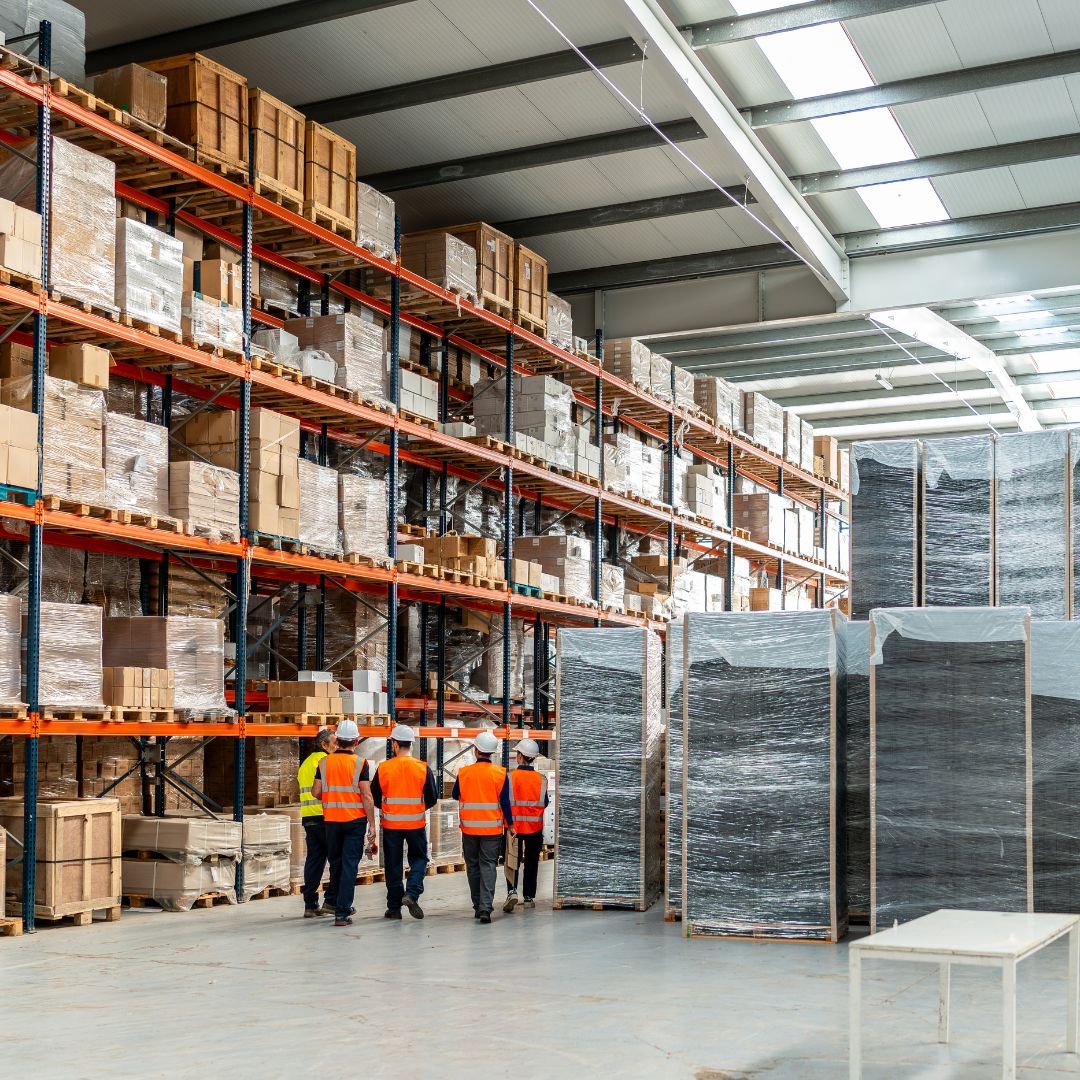
Paragon Shift acts as an extension of internal teams, bringing structure, discipline, and a focus on execution. Our approach reflects the pace and complexity of retail environments, which helps its leaders modernize confidently and thus balance speed with control and sustainability.
Commercial-first focus
Retail data and analytics initiatives are aligned to margin, inventory, and growth priorities

Controlled innovation
Data clarity and consistency are established before scaling advanced analytics or AI

Work with existing platforms
POS, e-commerce, ERP, and supply chain systems are integrated without unnecessary disruption

Designed for adoption
Solutions support merchandising, operations, finance, and leadership teams
How We Typically Support Retail Organizations
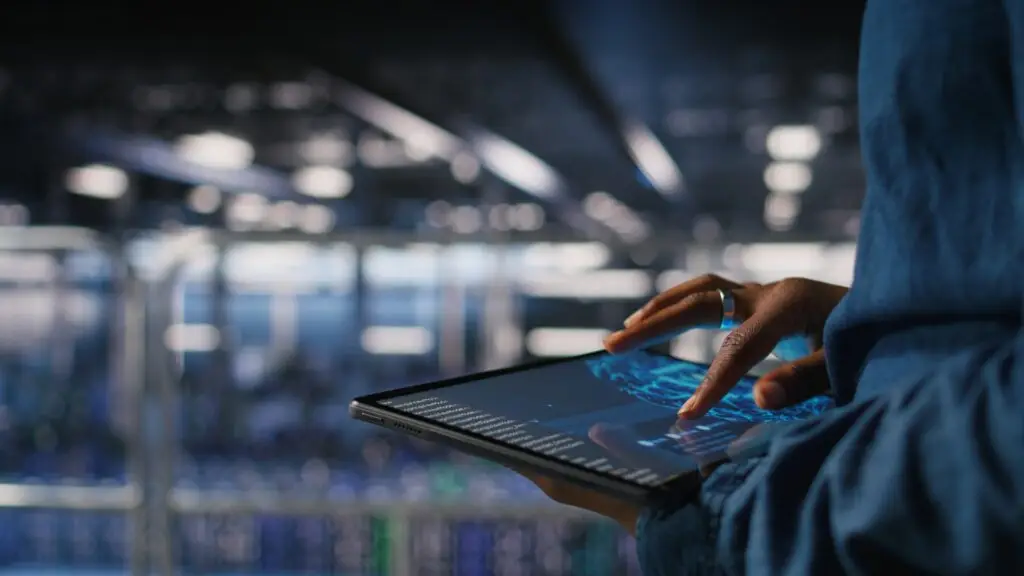
Each engagement is shaped by the retailer’s scale, operating model, and commercial objectives. Depending on maturity and priorities, we commonly support retailers through:
Data Modernization
Creating unified data foundations across sales, inventory, and customer systems

Business Intelligence & Analytics
Delivering consistent reporting on performance, margins, and inventory

AI & Automation
Applying AI to retail demand forecasting, pricing, replenishment, and operational workflows
Managed Analytics Services
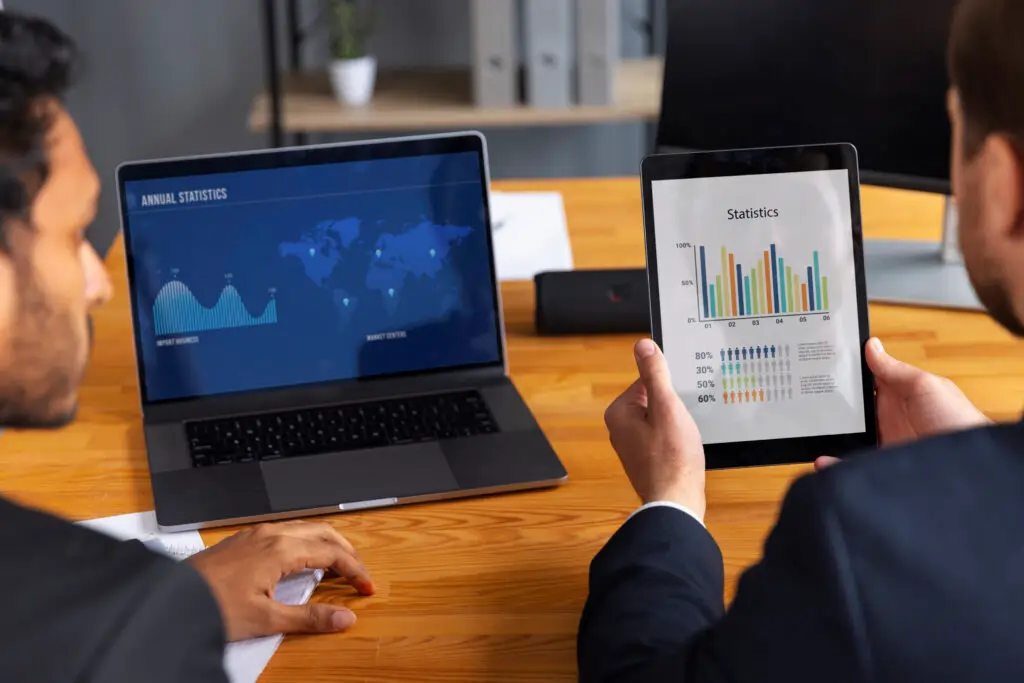
Ensuring analytics platforms remain reliable and continuously improved
Custom Solutions & Integrations
Connecting systems and streamlining information flows across the organization